Verdict
The best-built, best-controlling Windows handheld yet, with a genuinely useful Xbox-branded shell over Windows 11 — but the $999 price and three-hour battery ceiling mean it's a purchase for enthusiasts, not the mass-market Steam Deck killer Microsoft is selling it as.
I've carried a Steam Deck in my bag for three years, and for just as long I've watched ASUS's Ally line try to out-spec it while stumbling over the same wall every Windows handheld hits: Windows itself. The ROG Xbox Ally X is the first one that actually gets over that wall, and it does it by getting Microsoft to help. Whether that's worth the extra money is the whole review.
First impressions: it finally feels like a console
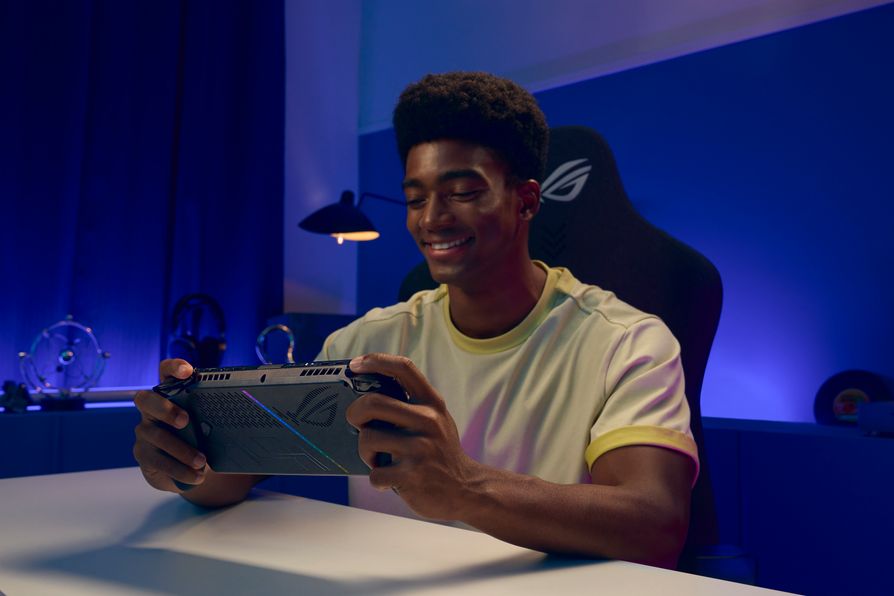
Pick up the Ally X after a Steam Deck and the difference is immediate. The grips are deeper, the analog sticks and triggers sit closer to a modern Xbox pad, and at nearly 1.5 pounds it's noticeably heavier than the Deck OLED — but the weight is distributed well enough that it doesn't fight your hands during a long session. The 7-inch IPS panel runs at 1080p and 120Hz, which is sharp and smooth for fast-paced games, though it's a real omission at this price: there's no OLED option, and rivals at lower price points already offer one. The bundled kickstand is the one component that feels like an afterthought on a $999 device — flimsy enough that several reviewers singled it out, and I'd agree it doesn't match the rest of the build.
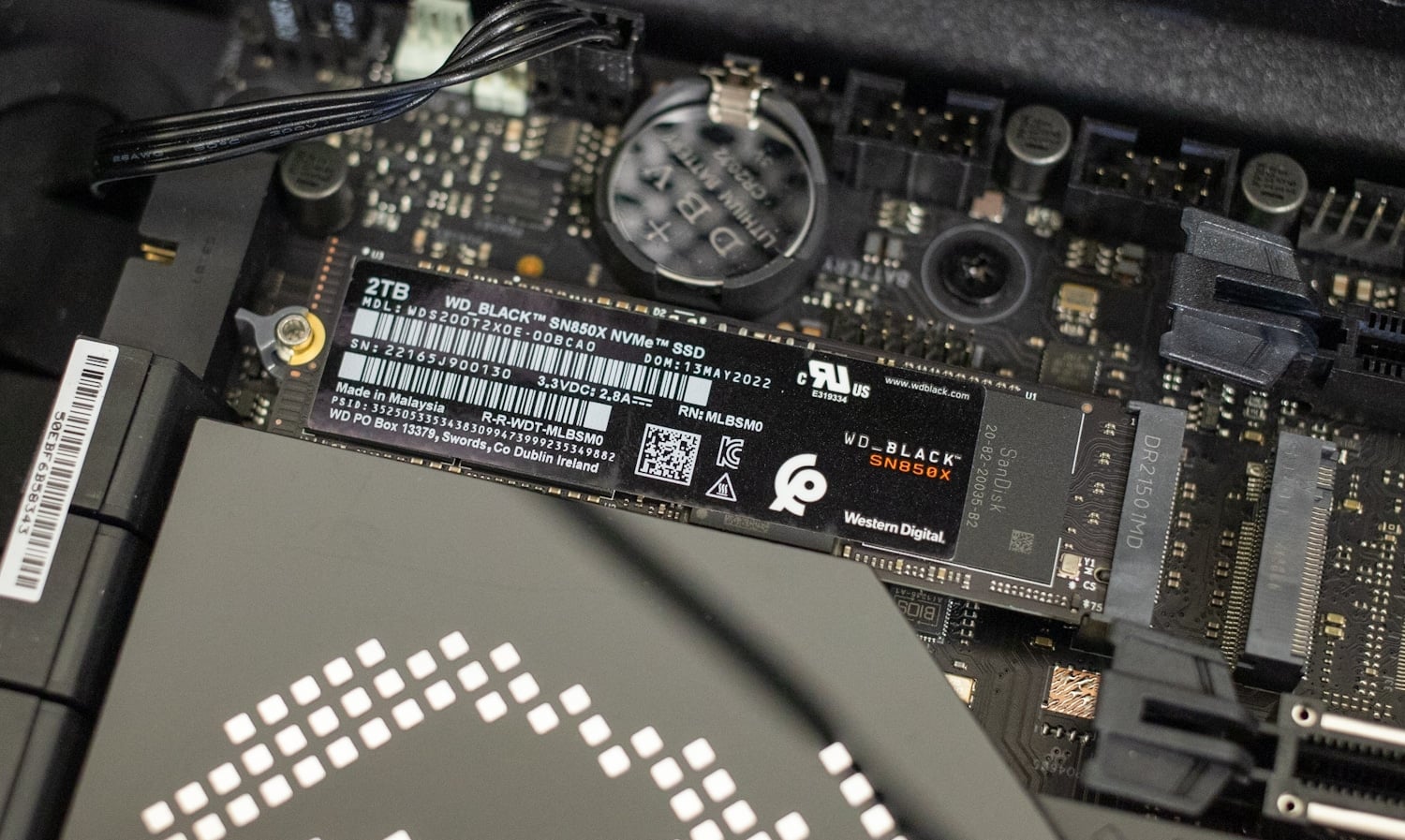
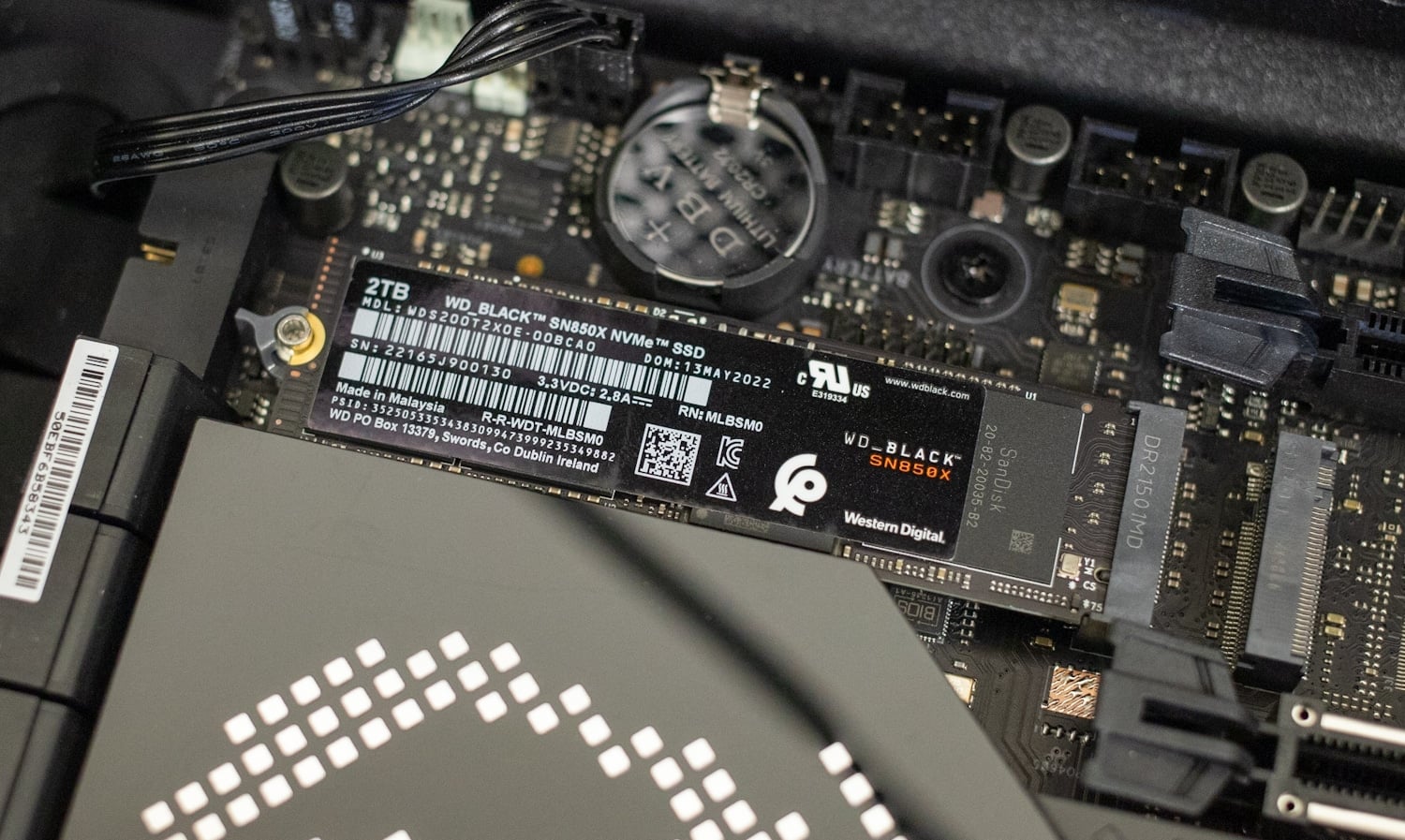
Under the hood, ASUS paired AMD's Ryzen AI Z2 Extreme — eight cores and 16 RDNA 3.5 compute units — with 24GB of LPDDR5X-8000 memory and a 1TB SSD. That's a genuinely high-end spec sheet for a handheld, and it shows up in play: current releases run at settings a Steam Deck simply can't touch without dropping resolution or frame rate to keep up.
The real story: the Xbox Full Screen Experience
The spec bump matters, but the headline feature is software. Instead of dumping you on the Windows 11 desktop like every Ally before it, the Xbox Ally X boots straight into a new Xbox Full Screen Experience — a controller-first shell that sits over Windows, defers the desktop and background services, and pulls your Game Pass library, Xbox titles, and anything installed through Steam, Epic or GOG into a single console-style home screen. It's the first time a Windows handheld has felt like you can hand it to someone who's never touched a PC and let them just play.
It's also, critically, still Windows underneath. That cuts both ways. The upside is compatibility: anti-cheat-protected multiplayer games, Battle.net, the EA App, Ubisoft Connect — everything that has historically been a gamble or an outright no-go on SteamOS just runs, because there's no compatibility layer standing between the game and the OS. The downside is that the Full Screen Experience, while a real leap forward, isn't as fast or as seamless as SteamOS yet. Menu navigation and background Windows processes still occasionally poke through in ways Valve's tighter, purpose-built OS has spent years ironing out.
Performance and the battery ceiling
This is where the Ally X's power comes back to bite it. Running a demanding modern title at 1080p on medium settings with brightness maxed, expect somewhere around three to three-and-a-half hours before you need a charger. Push the chip to its highest power target and that drops toward 90 minutes. Dial things back — lower-intensity games, capped frame rates, reduced brightness — and you can stretch well past that, and video playback comfortably clears eight hours. The 80Wh battery is large for the category, but the silicon inside is thirsty enough that it lands roughly in line with — not ahead of — what Windows handhelds have offered for a couple of generations now. If you're coming from a Steam Deck OLED, don't expect a battery-life upgrade to go with the performance one.
Thermals and noise are a genuine bright spot: fans stay quiet through most sessions and only really spin up under sustained heavy load, and even then it's audible rather than intrusive. Temperatures held under control in testing, which is a real engineering win given how much power this thing is drawing through a 7-inch chassis.
Who it's actually for
If you already live inside Xbox Game Pass, or you play multiplayer games gated behind anti-cheat that SteamOS still can't run, the Ally X is the first handheld built specifically to solve your problem — and it solves it well. If your library is mostly Steam-native single-player games and you don't care which launcher wraps around them, a Steam Deck OLED remains the simpler, cheaper, longer-lasting choice, and it's not close on price.
Verdict — 7.8/10
The ROG Xbox Ally X is the most convincing argument yet that Windows can run on a handheld without feeling like you dragged a laptop OS into your hands, and the hardware underneath backs it up with real performance headroom. But it asks $999 for that privilege, ships with a stand that undersells the rest of the build, and tops out around three hours in the games that make the extra power worth having. It's an excellent handheld for the specific buyer who needs full Windows compatibility and can live with charging more often — and a hard sell for anyone comparison-shopping against the Deck on price alone.
Pros
- Ryzen AI Z2 Extreme + 24GB of LPDDR5X-8000 pushes real frame rates in current AAA games, not just benchmark numbers
- Best-in-class ergonomics — grips, sticks and triggers feel closer to a console pad than any Windows handheld before it
- Runs native Windows 11, so Game Pass, Battle.net, EA App, Ubisoft Connect and anti-cheat-protected games just work, no compatibility-layer roulette
- The new Xbox Full Screen Experience aggregates Game Pass, Steam, Epic and GOG into one controller-first home screen that closes most of the usability gap with SteamOS
Cons
- At $999 it costs well over $200 more than a Steam Deck OLED, and the bundled kickstand feels cheap for that money
- Battery life caps out around 3 to 3.5 hours in demanding games at balanced settings, and drops toward 90 minutes at full power
- The Full Screen Experience is a big leap for Windows handhelds but still noticeably less polished and quick than SteamOS
The best-built, best-controlling Windows handheld yet, with a genuinely useful Xbox-branded shell over Windows 11 — but the $999 price and three-hour battery ceiling mean it's a purchase for enthusiasts, not the mass-market Steam Deck killer Microsoft is selling it as.
See price →Some links in this article are affiliate links. If you buy through them, BlitzRig may earn a commission at no extra cost to you — see our advertising disclosure.