Valve quietly made the Steam Deck a lot more expensive this year. On May 27, 2026, the company raised US pricing on both surviving Steam Deck OLED models by more than 40% in a single move — the 512GB model went from $549 to $789, and the 1TB model climbed from $649 to $949, according to reporting from The Register and PCGamesN. The cheaper LCD Steam Deck wasn't repriced; Valve discontinued it outright, removing the low end of the lineup instead of adjusting it.
Why the price jumped
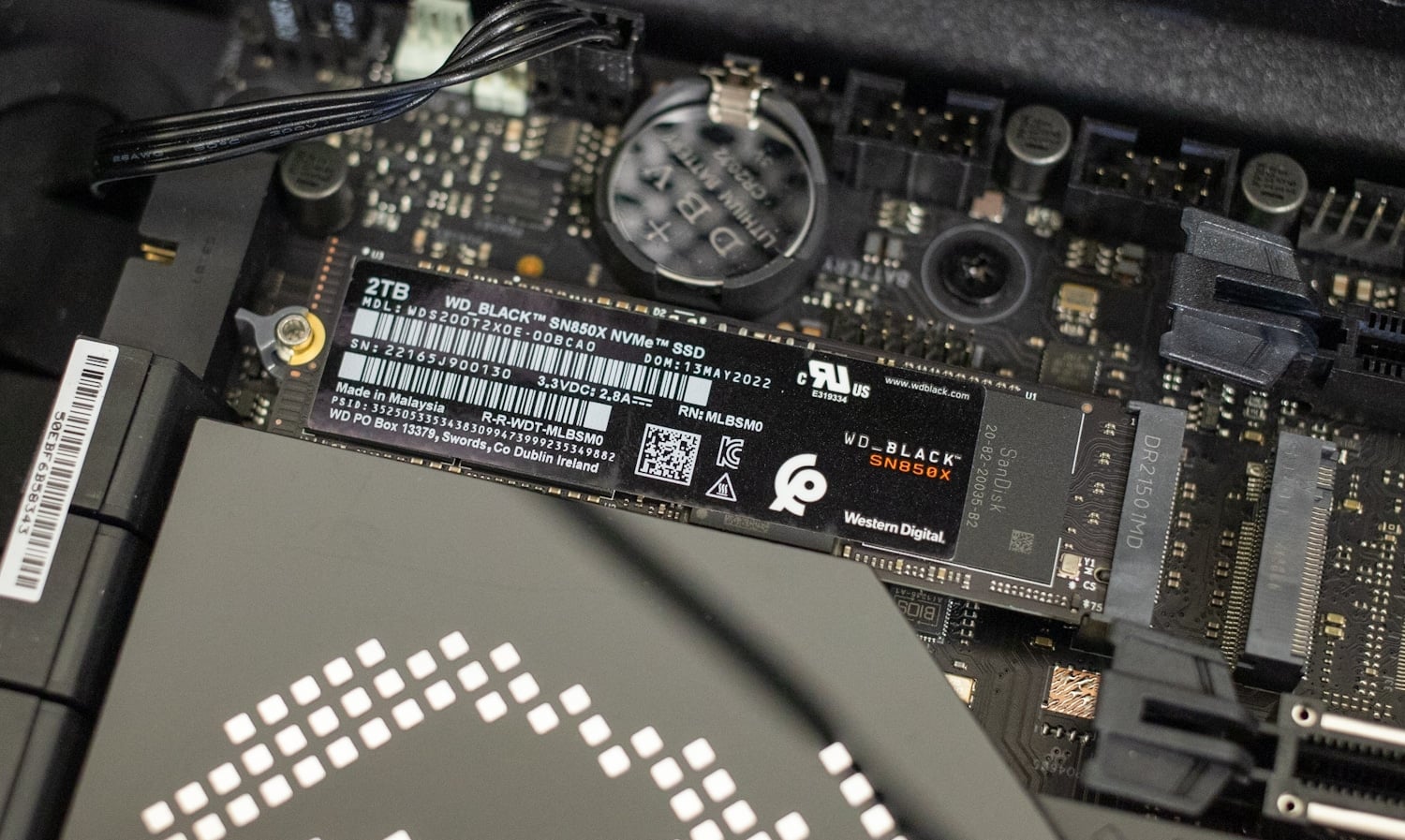
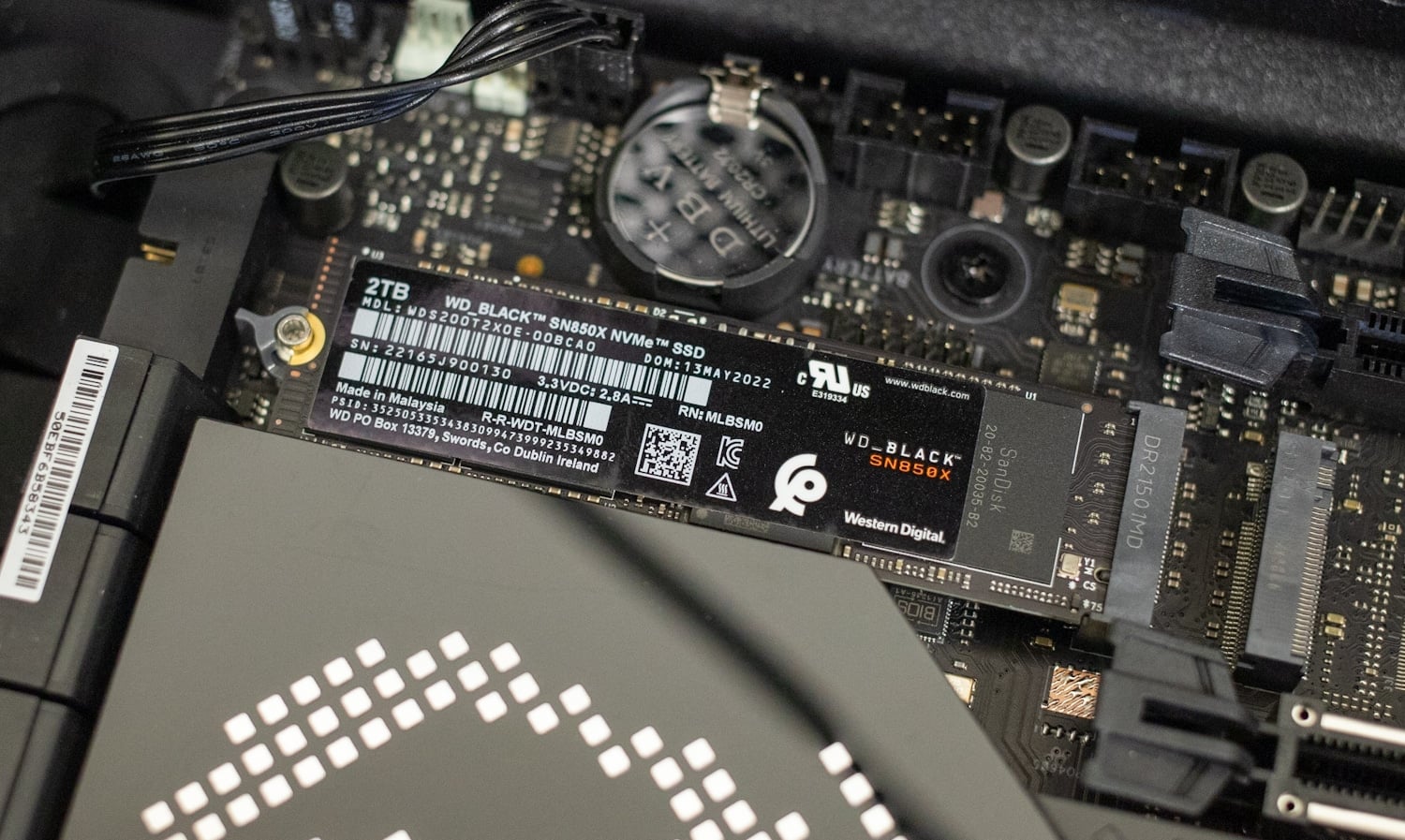
Valve pointed to rising memory and storage component costs as the driver, part of a broader spike in DRAM and NAND pricing that's been hitting the whole PC and console-adjacent hardware market this year, fueled largely by AI-driven demand for memory chips. Crucially, nothing changed on the hardware side: the APU, screen, battery, and storage specs on today's OLED units are identical to the pre-hike models. Buyers are paying the same device for meaningfully more money, not an upgraded one.
The timing and size of the increase caught the handheld PC community off guard, and outlets covering the Steam Deck ecosystem reported a sharp pullback in sell-through in the weeks after the hike, though exact sales figures are Valve's to confirm and haven't been officially disclosed.
How it stacks up against the ROG Xbox Ally X
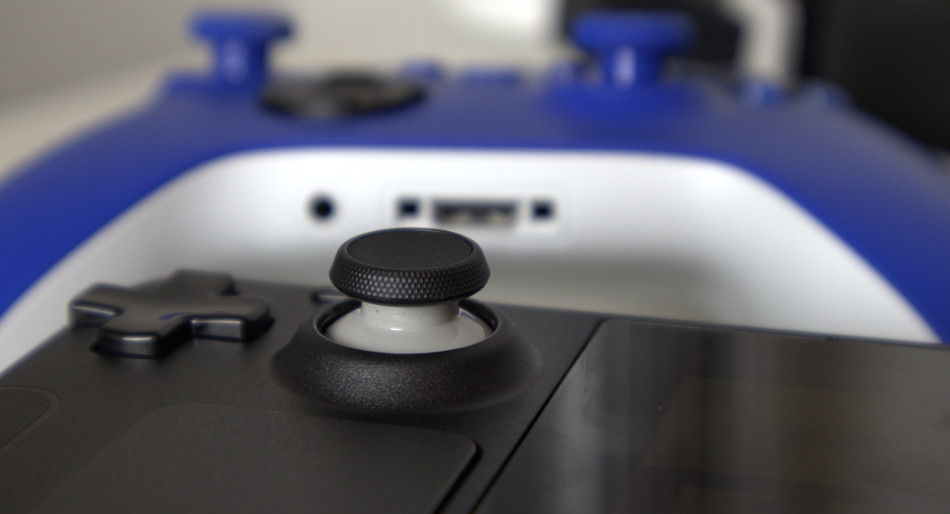
The repricing lands right as Valve's most credible rival has fully arrived. ASUS and Microsoft's ROG Xbox Ally X launched October 16, 2025 at $999.99, with the entry ROG Xbox Ally at $599.99 — both confirmed at launch via Xbox Wire and ASUS's own pricing announcement. The Ally X pairs an AMD Ryzen AI Z2 Extreme chip with 24GB of RAM and runs a customized Windows 11 build with Xbox full-screen experience layered on top.
Before May, a Steam Deck OLED undercut the Ally X by roughly $450. Post-hike, that gap has narrowed to around $210 — still real money, but no longer the lopsided value argument Valve enjoyed for most of the Deck's life. The Ally X remains the faster, more flexible machine on paper and gives buyers native access to the full Windows game library, including titles that fight SteamOS compatibility. The Steam Deck OLED still has real advantages of its own: a well-regarded HDR OLED screen, SteamOS's lighter footprint and better battery efficiency at the same wattage, and four-plus years of driver and compatibility maturity that Windows handhelds are still catching up to.
What it means for buyers
Neither device is the clear budget option anymore. If raw price is the deciding factor, the base ROG Xbox Ally at $599.99 now undercuts every current Steam Deck OLED configuration outright. If you want the smoothest, most polished handheld experience for pure gaming, the Steam Deck OLED is still competitive — it's just no longer the runaway deal it was at launch. Shoppers comparing the two in late 2026 should treat this as a genuinely closer call than it's been at any point since the Deck first shipped, and it's worth watching for holiday-season discounting from either camp before buying.